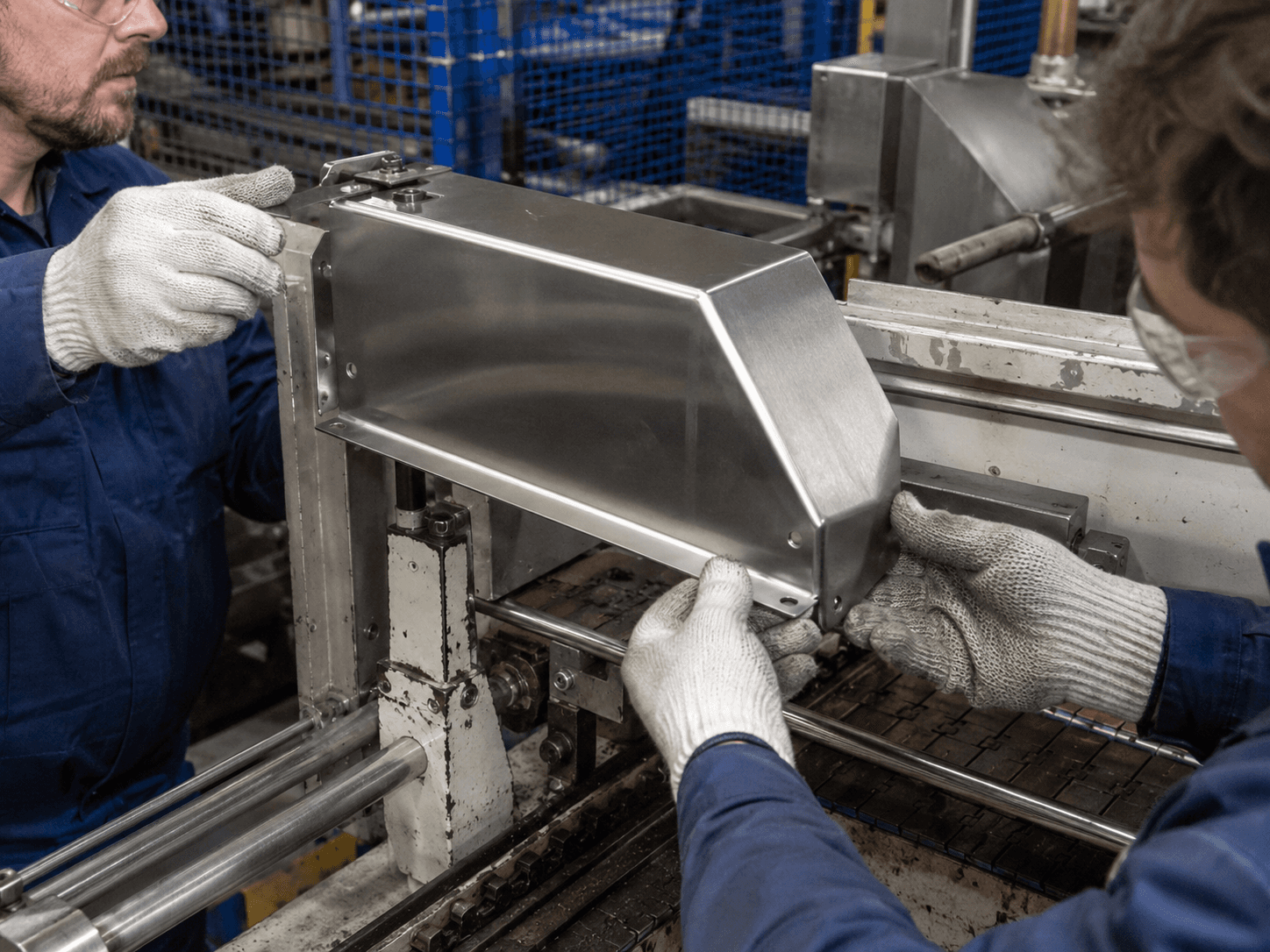
Custom welded parts: common problems and practical solutions
A practical overview of the welding challenges B2B companies face and how to reduce them before they become expensive.
Why welding remains a critical production step
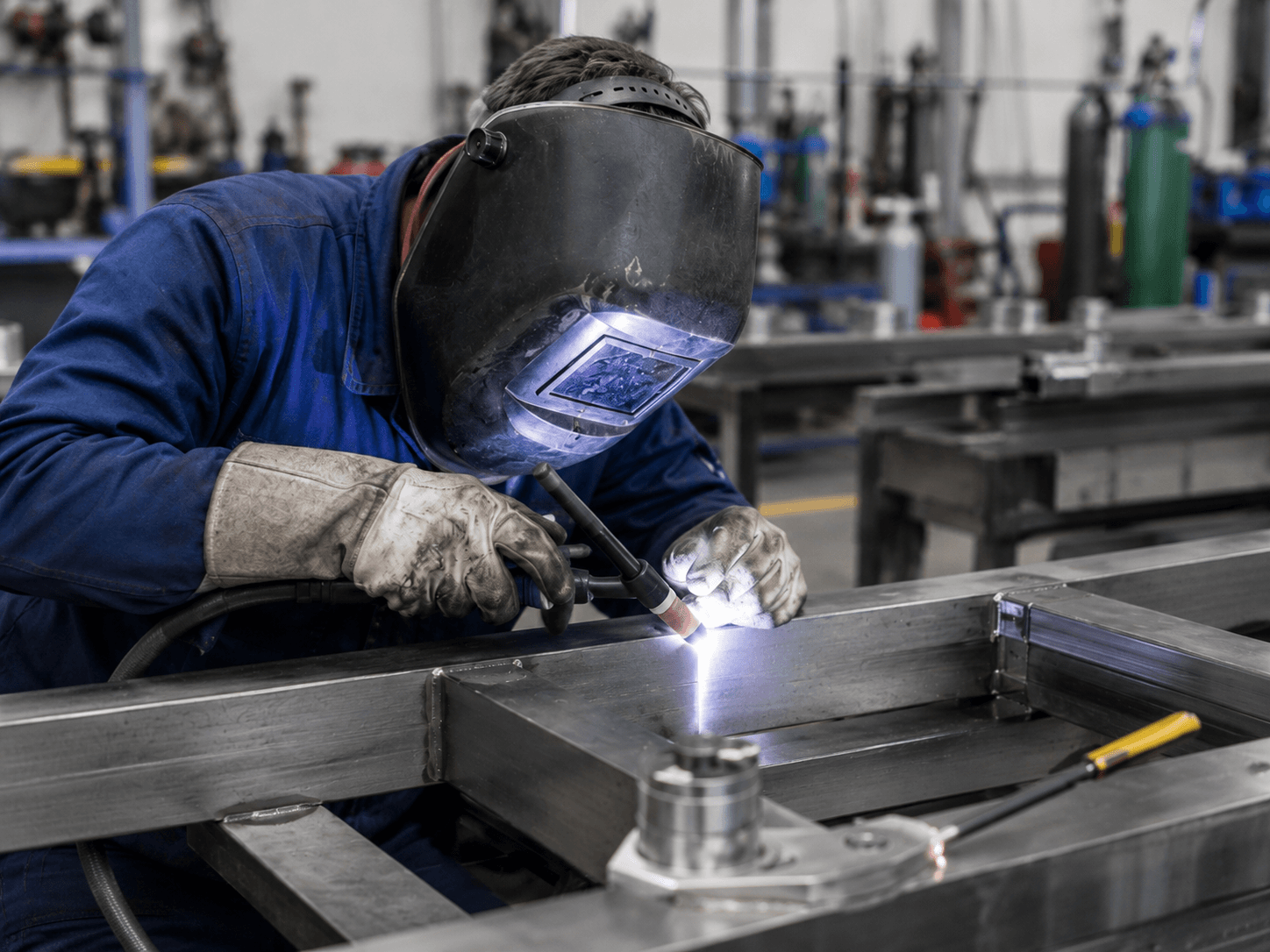
Welding is essential in the production of machines, frames, conveyors, pipework and technical assemblies. Although welding technology has advanced, many companies still face the same problems: shortage of skilled welders, deadline pressure and the cost of rework.
The retirement of experienced welders and limited inflow of new workers create capacity pressure across industry. When a company does not have enough internal capacity, even a relatively simple part can wait longer than it should.
At the same time, manufacturers have to justify investments in better equipment, increase productivity and reduce waste. A significant amount of time can be lost in grinding, cleaning and repairing welds that were not done correctly the first time.
Where the most common problems start
Welded part quality is affected by defects such as cracks, porosity, undercutting, spatter and unsuitable weld geometry. These problems often come from incorrect parameters, contaminated material, the wrong process or insufficient preparation.
Overly tight tolerances and unnecessarily complex geometry are also problematic. If the design does not respect fabrication and installation, the part may look correct on a drawing but become expensive, slow and risky to produce.
Deadlines create another layer of pressure. Tight schedules, missing material and unplanned design changes can extend production significantly. The later a problem is found, the more expensive it becomes to solve.
How to reduce these problems
The first step is to invest in people, technology and process. Training, suitable welding procedures, pulsed MIG welding or precise TIG welding can reduce defects and limit the need for grinding and repairs.
The second step is to involve the fabricator early. Design consultation reduces the risk that the part will be difficult to fabricate, install or clean. Adjusting tolerances, simplifying shape or changing the fastening method can save time and cost.
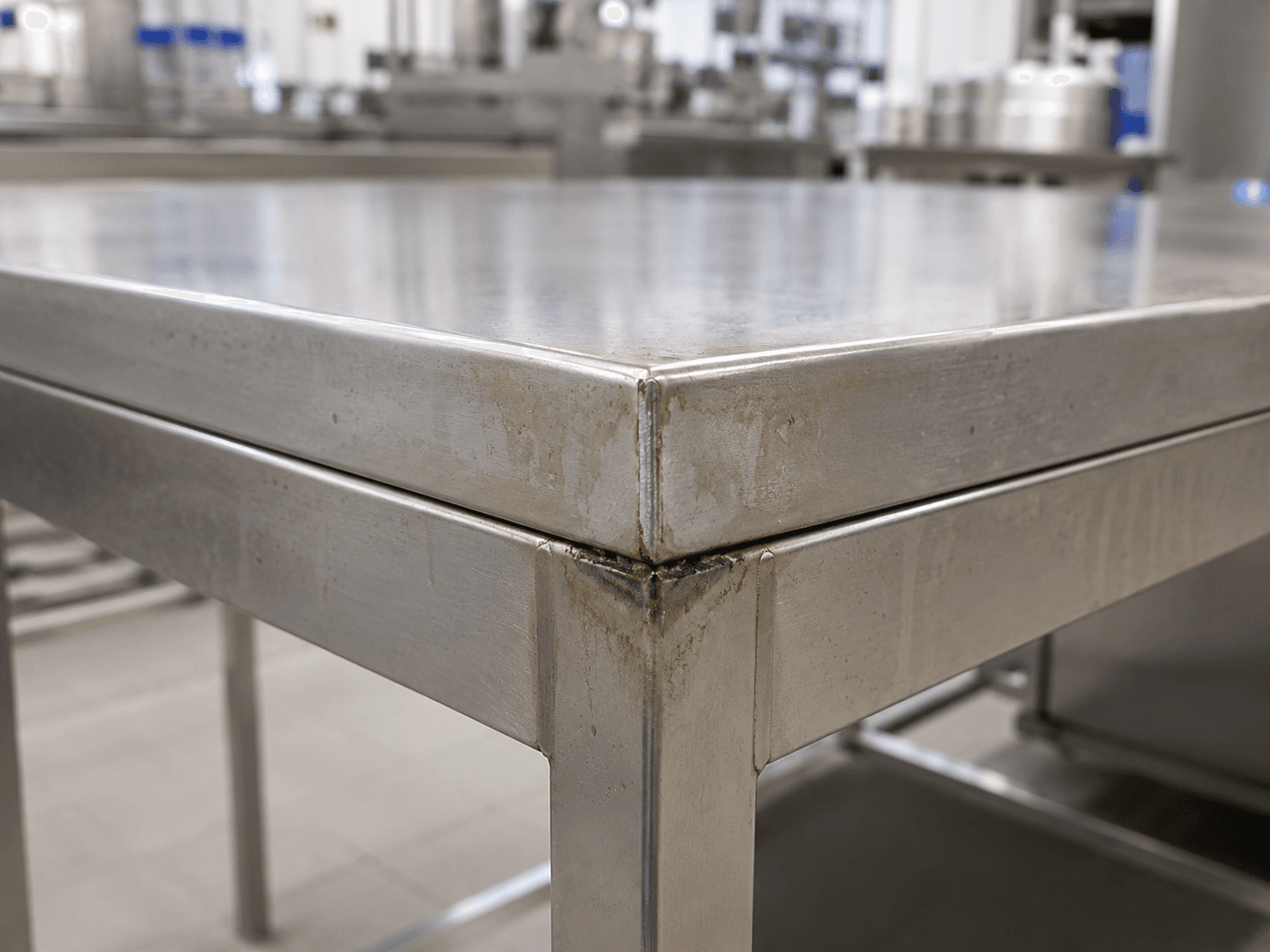
For food and pharmaceutical parts, hygiene and function must be considered together. Surface roughness, weld geometry, cleanability and the real way the part will be used all matter.
AM Welding combines technological know-how with practical production experience. We evaluate the environment, design, material and use case, then propose solutions intended to work in real operation, not only on a drawing.
- Involve the fabricator before the final drawing is locked.
- Check which tolerances are truly function-critical.
- For hygienic parts, evaluate welds, surface finish and cleanability together.
- Consider installation, service and cleaning during design.