Running behind in production? How to outsource stainless steel welding without quality and deadline problems
External capacity helps only when it does not create a new problem in quality, communication or deadlines. The key is a manufacturable specification, clear inspection points and a partner who understands not only the weld, but the complete part.
In brief
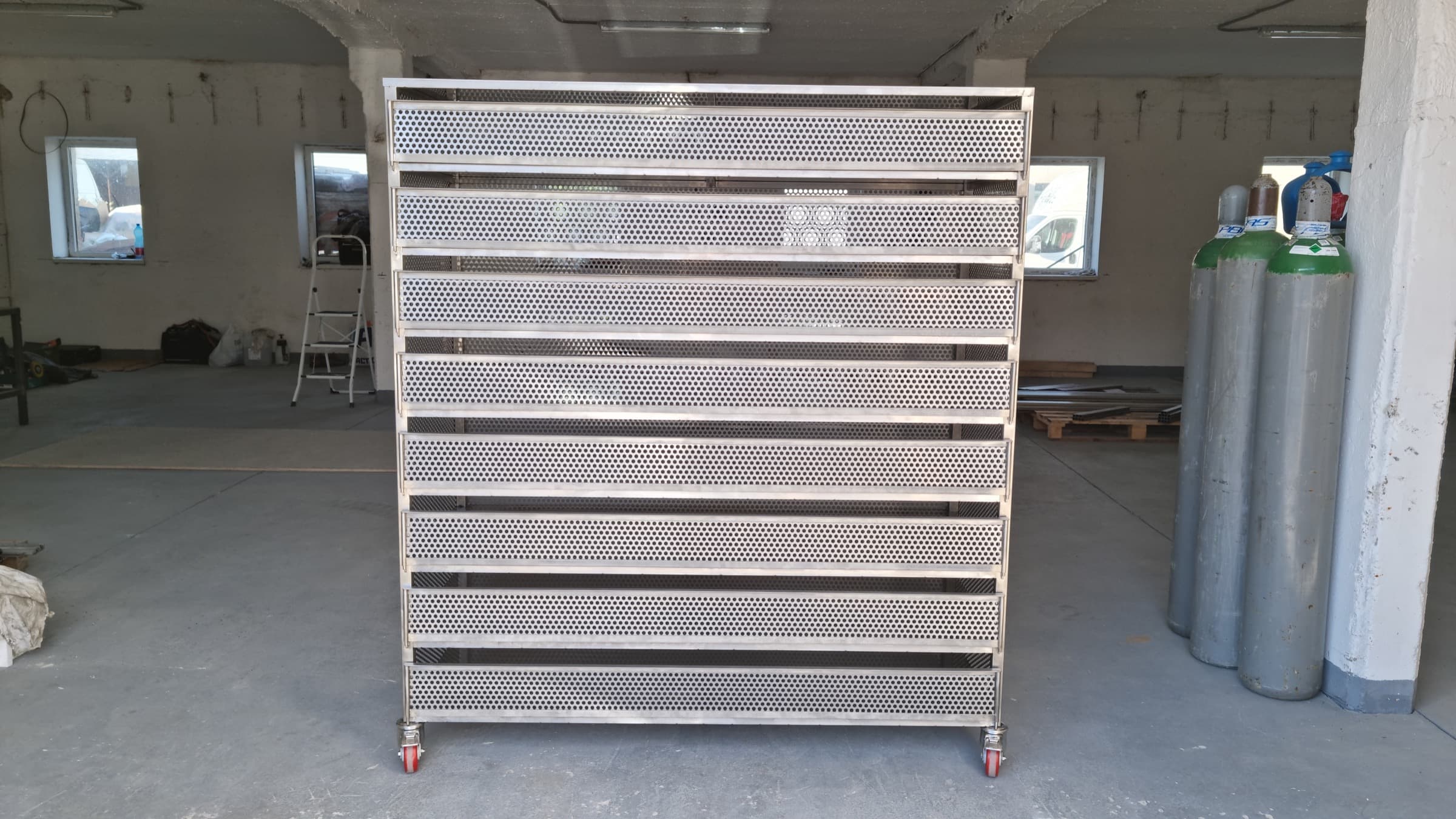
Outsourcing is more than buying spare welder hours
Most time is lost on unclear specifications, changing revisions and details that are addressed only after production has started.
Quality needs to be defined before the first weld: material, critical dimensions, execution, surface and inspection method.
For repeat production, an approved first article and one valid revision of the specification help keep the entire batch consistent.
Capacity
When outsourced fabrication genuinely helps
A manufacturing company may not have a problem with orders. Its problem may be that all the orders arrived at once. Suddenly there is no available welder, workstation, time for a small batch or specialist stainless steel capacity that the internal team needs only occasionally.
In this situation, an external partner may be more efficient than hiring people for a short period, moving deadlines or blocking in-house production with an operation that is not one of its core capabilities. Typical situations include:
The decision to outsource does not solve the problem on its own. If the supplier receives unclear information, responsibility for dimensions, material and surface will only be addressed during production — exactly when every change costs the most.
- A production peak and insufficient internal capacity
- A one-off stainless steel order or a need for TIG welding
- Repeat production of smaller parts that unnecessarily blocks the main workstation
- Repairs, modifications or replacement parts outside the standard production series
- A need for a partner who can turn the available information into a practical, manufacturable solution
Specifications
A good specification shortens the lead time before production begins
Complete production documentation does not have to be ready at the first contact. AM Welding states on its website that a project can begin with a drawing, photograph, dimensions or a practical explanation of the problem. Before production, however, the incomplete information needs to become an unambiguous, manufacturable specification.
For a custom part, it is particularly important to define:
Not every dimension requires the same precision. If, for example, flange position, hole spacing or mounting-surface flatness is critical, it must be identified as such. Otherwise, the part may be ‘to drawing’ and still unusable in the assembly.
- Material and thickness, if defined
- Dimensions and critical tolerances
- Quantity and whether production is one-off or recurring
- Functional surfaces, holes, flanges and assembly interfaces
- Required weld and surface finish
- Operating environment and intended use of the part
- Required deadline and packaging or shipping conditions
Quality
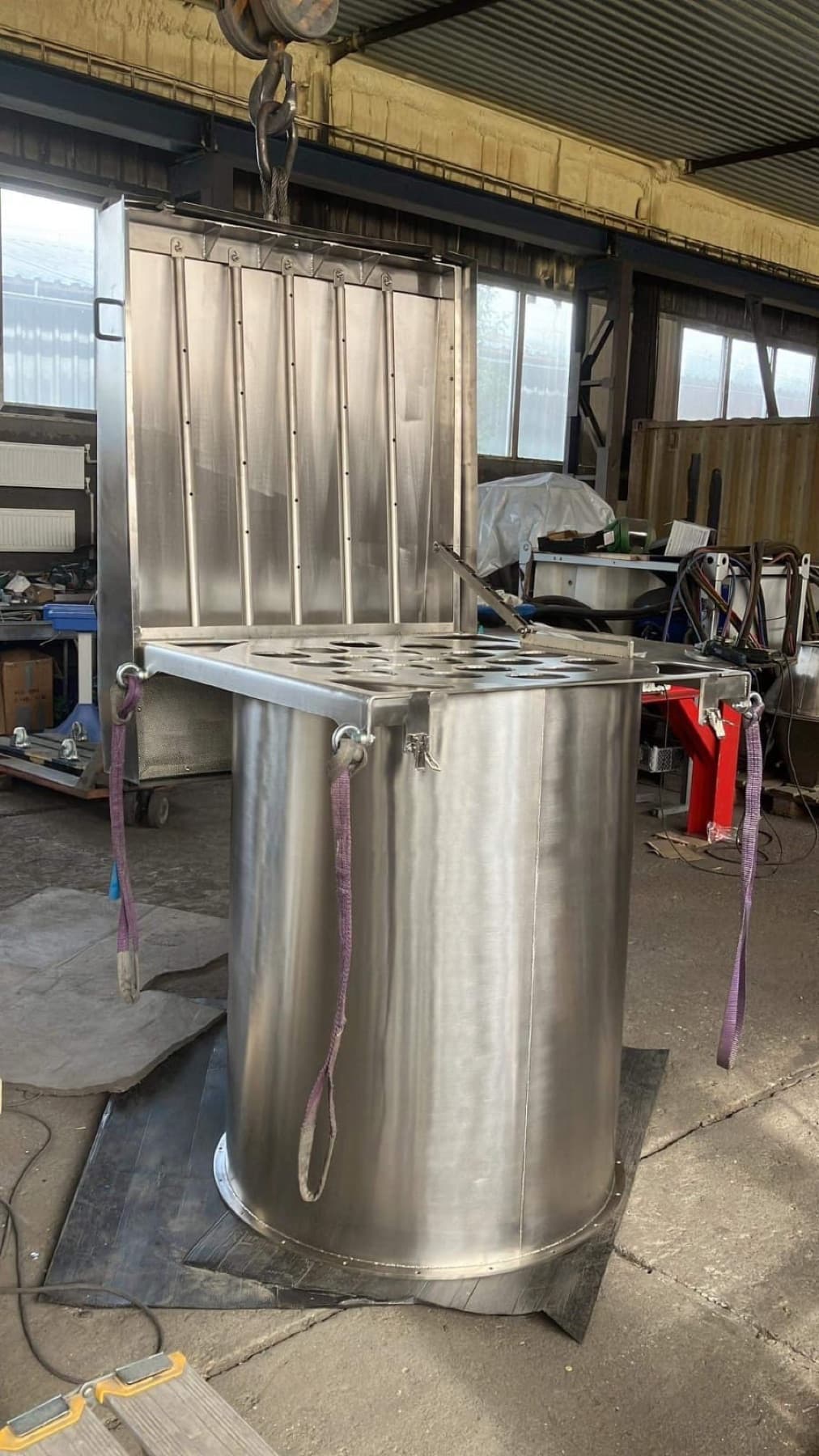
Quality is created during production, not only at final inspection
For a repeatable result, inspection begins before welding. The material must match the specification, the parts must be correctly prepared and the assembly must fit before heat locks it into its final geometry.
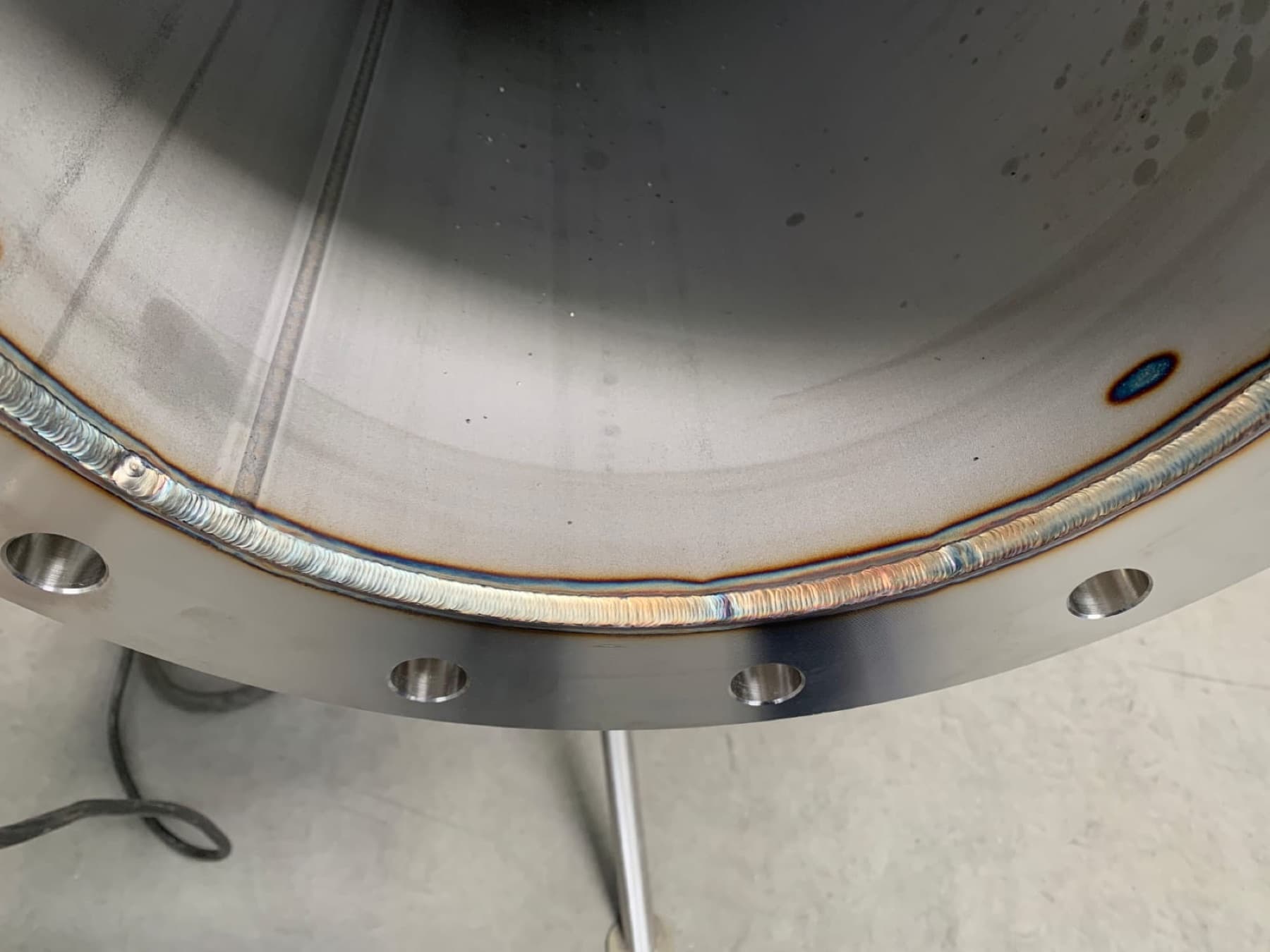
For stainless steel, the cleanliness of the workplace and tools, filler material, shielding gas, heat input and welding sequence are also controlled. Austenitic stainless steels have a higher coefficient of thermal expansion than carbon steels, so thin sheets, long joints and asymmetric welding can deform easily. Fixtures, tack welds, a suitable sequence and limiting unnecessary heat therefore affect not only appearance but also the dimensions of the finished part.
If the project requires specific welding documentation, qualified procedures or a particular scope of inspection, this must be part of the specification in advance. AM Welding lists welder qualifications to STN EN ISO 9606-1; the required documentation for a specific order must always be agreed according to the project.
Deadline
Welding itself is rarely what causes a missed deadline
For a small custom order, welding may take hours while the whole process takes days. Material must be sourced, parts cut and prepared, the assembly fitted, checked, welded, finished and, if necessary, adjusted after customer approval.
The greatest uncertainty appears when the specification changes during the work or when it is unclear who can approve a technical detail. A simple process therefore works best:
- One valid revision of the specification. Production must know which information is currently approved.
- One technical contact. A question should not pass through four people who provide four different answers.
- An inspection point before the batch. For repeat production, approve the first part or the decisive detail.
- Identify changes as changes. If a dimension, material or surface changes, the effect on deadline and price must be assessed.
Interactive selection
What is the biggest production problem today?
Choose the situation that best matches the current production bottleneck. The result shows which information to prepare first.
We are missing the deadline
Capacity is short and the deadline is approaching
The priority is to separate essential information quickly from details that can be resolved later. The supplier needs the quantity, material, critical dimensions and real deadline.
- Send a drawing or photographs before the specification is fully completed
- Mark critical dimensions and functional surfaces
- State the latest usable delivery date
No TIG or stainless capacity
Specialist stainless steel capacity is missing
Define precisely what remains in your production and what the external partner will take over. The interfaces between operations are critical — part preparation, welds, surface finish and handover back into your assembly.
- Define the scope of supply
- Agree the condition of incoming and outgoing parts
- Specify the required welds, surface and inspection
Repeat batch
We need repeat production
For recurring parts, investing in a stable specification is worthwhile. An approved first part, one documentation revision and clear inspection points reduce variation between batches.
- Approve the first part
- Lock the drawing revision
- Define critical dimensions and surface requirements for every batch
Checklist
Is the order ready for an initial quotation?
Mark the information that you can already send. The documentation does not need to be perfect for the first contact — what matters is identifying what has already been decided.
Start with what is certain today: the purpose of the part, quantity and deadline. The remaining technical details can be developed.
Verification
Confirm what will be expensive to change before the batch
For a repeat order, it is worth producing and approving the first part or a representative detail first. The aim is not to turn every order into a complicated approval process. It is to identify different expectations before they are repeated across dozens of parts.
When choosing an external partner, review AM Welding's completed work and the way the company describes development, preparation, TIG welding and finishing. In custom fabrication, the ability to connect these steps matters more than a welder's available hours alone.